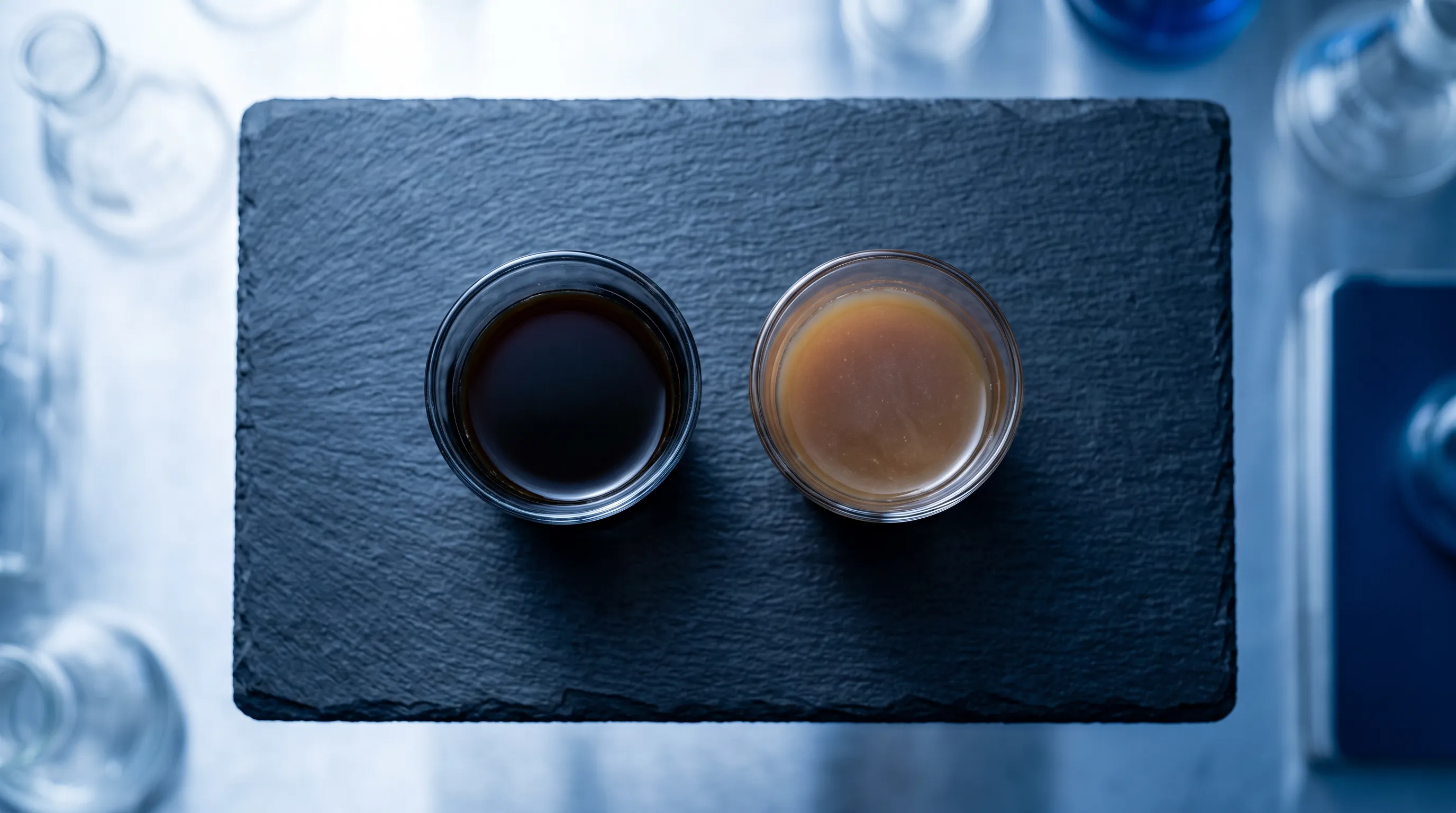
Mushroom coffee is blended coffee with functional mushroom extracts — typically lion's mane, chaga, reishi, or turkey tail — mixed in. It contains less caffeine than regular coffee, typically 50–70mg per serve versus 80–120mg in a standard cup. The mushroom extracts contribute beta-glucans and bioactive compounds backed by separate health research.
The price premium ($39–48 vs approximately $5–15 for comparable volume of regular coffee) is justified only if you want lower caffeine intake with some stimulant effect, or you value the mushroom extracts for their specific benefits: lion's mane for cognition, reishi for immune support and sleep, chaga for antioxidants, turkey tail for gut and immune health. Mushroom coffee is not a suitable replacement for regular coffee if your primary goal is maximum cognitive stimulation — regular coffee wins that comparison cleanly.
We research and purchase every product we recommend. Some links on this page are affiliate links. If you buy through them, we earn a small commission at no extra cost to you. This doesn't affect our recommendations.
What Is Mushroom Coffee?
Mushroom coffee is a category of blended hot drink that combines ground coffee or instant coffee with dried and powdered functional mushroom extracts. Despite the name, it is not a coffee substitute made from mushrooms — it is actual coffee, typically arabica, blended with standardised mushroom extract in ratios that vary by brand.
The most common mushrooms used are lion's mane (Hericium erinaceus), chaga (Inonotus obliquus), reishi (Ganoderma lucidum), and turkey tail (Trametes versicolor). Some blends use single species; others combine two to four. Each mushroom brings different bioactive compounds, and the health claims behind each rest on separate, independent bodies of research.
How it's made at the production level: whole fruiting bodies or mycelium are hot-water extracted, spray-dried into a powder, and standardised for beta-glucan content — the key bioactive marker for functional mushrooms. This concentrated extract is then blended with instant coffee or pre-ground coffee at ratios typically ranging from 25% to 50% mushroom extract by weight. Some premium brands do dual extraction (hot water plus alcohol) to capture both water-soluble and fat-soluble compounds.
The result is a drink that looks and brews like instant coffee, tastes broadly similar (earthy, slightly more bitter), and delivers meaningfully less caffeine with a dose of mushroom bioactives in each cup.
Mushroom Coffee vs Regular Coffee: Head-to-Head
| Category | Mushroom Coffee | Regular Coffee |
|---|---|---|
| Caffeine per serve | 50–70mg (typically) | 80–120mg (filter); 60–90mg (espresso) |
| Price per serve (AU) | $1.30–$1.60 AUD | $0.30–$0.50 AUD (specialty beans) |
| Taste | Coffee-forward, earthy undertone, slightly less bitter | Full coffee flavour; roast-dependent complexity |
| Adaptogen / mushroom content | Beta-glucans, bioactive compounds (species-dependent) | None |
| Research backing | Preliminary to moderate (strongest for turkey tail, reishi) | Extensive (cognitive, cardiovascular, metabolic) |
| Best for whom | Lower caffeine intake; immune/cognitive support seekers | Maximum stimulant effect; flavour-first drinkers; budget-conscious |
How We Compared Them
Our comparison is based on four criteria that determine whether mushroom coffee is worth paying more for relative to regular coffee.
Caffeine delta
The actual mg difference matters more than the marketing. Mushroom coffee delivering 50mg vs regular at 95mg is a real, measurable reduction with practical implications for tolerance and sleep.
→ 40–50% lower caffeine than filter coffeeMushroom extract quality
Fruiting body vs mycelium on grain determines actual beta-glucan content. A product using mycelium on oat can have 10–70x lower beta-glucan concentration than fruiting body extract at the same labelled dose.
→ Minimum 25% beta-glucan for therapeutic rationaleCost per serve
Mushroom coffee costs 3–5x more per serve than specialty coffee. The premium is real. The question is whether the mushroom dose justifies it — which depends entirely on why you're buying it.
→ $1.33–$1.59 per serve vs $0.30–$0.80 for regularResearch backing
We cross-referenced each mushroom species with its human clinical trial evidence base. Lion's mane (Mori 2009), reishi (Jin 2012), chaga (antioxidant capacity only — no human RCTs), turkey tail (Deng 2012 immune).
→ Lion's mane has strongest human trial evidenceCaffeine: The Number That Actually Matters
The caffeine difference between mushroom coffee and regular coffee is the most misunderstood part of the category. Most marketing emphasises the mushroom extracts; the caffeine reduction gets less attention — but for many buyers, it's the real reason to switch.
A standard 240ml cup of filter coffee contains approximately 95–120mg of caffeine. A single espresso shot runs 60–90mg depending on the roast and grind. Mushroom coffee — because it blends coffee with a significant proportion of mushroom extract (and sometimes grain-based filler) — typically delivers 50–70mg per serve. Some lighter blends fall further, to 40–50mg.
That reduction matters in two specific situations. First, if you are caffeine-sensitive but still want a warm morning ritual with some stimulant effect, mushroom coffee gives you a useful middle ground that avoids the jitteriness and anxiety some people experience with full-strength coffee. Second, if you are trying to reduce total daily caffeine intake without eliminating coffee entirely, replacing an afternoon cup of regular coffee with mushroom coffee achieves a meaningful reduction without the psychological friction of "quitting coffee."
Caffeine's half-life in healthy adults is approximately 5–7 hours. A 100mg regular coffee at 2pm leaves roughly 50mg of caffeine active at 9pm. A 60mg mushroom coffee at the same time leaves 30mg. Neither is zero — but the mushroom coffee is less disruptive to sleep onset at normal sensitivities.
What mushroom coffee does not do: eliminate the caffeine dependency cycle. If you drink mushroom coffee daily at 60mg, you will develop tolerance and dependency at that level just as you would with regular coffee. The lower dose means withdrawal symptoms are usually milder, but they are not absent.
The Mushroom Extracts: What Each One Actually Does
The four mushrooms most commonly found in mushroom coffee products each have distinct bioactive profiles and different levels of clinical evidence. Here is what the research actually supports — and where it falls short.
Lion's Mane — Cognition and Nerve Growth Factor
Lion's mane (Hericium erinaceus) contains two classes of bioactive compounds unique to the species: hericenones (from the fruiting body) and erinacines (from the mycelium). Both have been shown to stimulate nerve growth factor (NGF) synthesis in vitro. A 2009 double-blind, placebo-controlled trial by Mori et al. (published in Phytotherapy Research) found statistically significant improvements in cognitive function scores in adults with mild cognitive impairment after 16 weeks of lion's mane supplementation at 3g per day.
The limitation: doses used in clinical studies are typically 1–5g of dried mushroom equivalent daily. Most mushroom coffee blends deliver 250–500mg of extract per serve — a fraction of studied doses. The cognitive effect, if any, at that level is unclear. Lion's mane is the most plausible mushroom for a cognitive claim; the dose issue tempers the enthusiasm.
Chaga — Antioxidants and Anti-Inflammatory Activity
Chaga (Inonotus obliquus) is a parasitic fungus that grows on birch trees. It contains betulinic acid, melanin, and polysaccharides. A 2010 study by Glamoclija et al. (published in the Journal of Ethnopharmacology) confirmed strong antioxidant and anti-inflammatory properties in vitro. The antioxidant ORAC score of chaga extract is among the highest measured in any natural source.
Human clinical evidence is limited. Most research is in vitro or animal models. The antioxidant claims are biologically plausible but not directly confirmed in human outcome studies. One caution: chaga contains compounds with anticoagulant properties and should not be taken in high doses alongside warfarin or other blood thinners.
Reishi — Immune Modulation and Sleep
Reishi (Ganoderma lucidum) is the most extensively studied functional mushroom in clinical settings. A 2012 meta-analysis by Jin et al. (published in PLOS ONE) reviewed five randomised controlled trials and found reishi polysaccharides enhanced natural killer (NK) cell activity in cancer patients. A separate 2012 randomised trial (Zhao et al.) found reishi supplementation improved sleep quality scores in patients with neurasthenia over eight weeks.
The caveat is the population specificity: the strongest evidence is in immunocompromised or unwell patients, not healthy adults. The immune benefit in already-healthy people is less certain. Reishi's cortisol-lowering properties are frequently cited in wellness marketing; the evidence here is primarily from animal models and small human pilots.
Turkey Tail — Gut Microbiome and Immune Support
Turkey tail (Trametes versicolor) is the subject of some of the most credible human clinical research in functional mushrooms. Polysaccharide-K (PSK), derived from turkey tail, is an approved adjuvant cancer treatment in Japan. A 2012 study by Deng et al. (published in the Journal of Nutrition) found turkey tail supplementation significantly altered gut microbiome composition in healthy adults, increasing populations of Bifidobacterium and Lactobacillus — commensal bacteria associated with immune regulation.
For general wellness use, turkey tail is one of the better-evidenced choices for immune and gut support. Its inclusion in a mushroom coffee blend is one of the stronger arguments for the category.
Cost Analysis: What You're Actually Paying Per Cup
The price differential between mushroom coffee and regular coffee is the most straightforward reason most people should not switch — unless they specifically want what mushroom coffee offers.
| Product | Pack Size | Price (AU) | Serves | Cost per Serve |
|---|---|---|---|---|
| Wild Brew Mushroom Coffee (Lion's Mane) | 30 serves | $39.99 | 30 | ~$1.33 |
| Four Sigmatic Chai Latte Mix | 30 serves | $47.57 | 30 | ~$1.59 |
| Specialty arabica beans (e.g. Campos, Seven Seeds) | 250g (~16 serves filter) | $18–$22 | ~16 | ~$1.12–$1.37 |
| Supermarket ground coffee (e.g. Vittoria) | 250g (~16 serves) | ~$8–$12 | ~16 | ~$0.50–$0.75 |
| Budget instant coffee (e.g. Moccona Classic) | 200g (~100 serves) | ~$10–$14 | ~100 | ~$0.10–$0.14 |
The per-serve comparison reveals the real cost picture. Wild Brew at $1.33 per serve is roughly comparable to specialty arabica for filter — so if you are already buying premium coffee, the price step up is modest. Against supermarket ground coffee or instant, the premium is three to ten times the cost.
The relevant question is not "is mushroom coffee expensive?" but rather "what am I paying the premium for?" If the answer is the mushroom extracts and reduced caffeine, the premium is defined and specific. If the answer is vague wellness signalling, regular specialty coffee is a better financial decision.
Decision Matrix: Which Should You Choose?
| Use Case | Best Choice | Reason |
|---|---|---|
| Morning cognitive boost, maximum alertness | Regular coffee | Higher caffeine; proven cognitive stimulant at established doses. Mushroom coffee's lion's mane dose is too low to offset the caffeine reduction. |
| Afternoon energy without sleep disruption | Mushroom coffee | 50–70mg caffeine vs 95–120mg; lower half-life caffeine load at 10pm for a 3pm drink. Meaningful difference for sleep-sensitive individuals. |
| Immune and gut support | Mushroom coffee (Turkey Tail blend) | Turkey tail polysaccharides have the strongest human evidence for microbiome and immune effects. Look for blends with turkey tail or reishi explicitly listed. |
| Budget-conscious daily drinker | Regular coffee | $0.30–$0.50 per serve vs $1.33–$1.59. Over a year (365 cups), that's $109–$183 vs $485–$580 — a $375–$400 annual difference. |
| Taste-first, flavour exploration | Regular coffee | Specialty coffee offers dramatically more variety: origin, roast, processing method. Mushroom coffee narrows to a single earthy flavour profile. |
Who Should Switch — and Who Shouldn't
Good reasons to switch
You experience anxiety, jitteriness, or heart palpitations with regular coffee but still want a warm caffeinated morning drink. Mushroom coffee's lower caffeine dose (50–70mg) often sits below the threshold that triggers these symptoms for sensitive individuals.
You are trying to reduce your caffeine dependency. Swapping afternoon regular coffee for mushroom coffee cuts total daily intake without requiring complete abstinence. The reduced dependency is a genuine benefit if you're tired of caffeine headaches on rest days.
You are actively interested in the specific effects of a particular mushroom — reishi for sleep support, turkey tail for gut health, lion's mane for cognitive support — and you prefer to get it through a familiar drink format rather than capsules.
Poor reasons to switch
You want more energy and focus. Regular coffee, with its higher caffeine dose, is objectively more effective as a cognitive stimulant. If maximum alertness is the goal, mushroom coffee works against you.
You want better flavour. Regular specialty coffee — Yirgacheffe, Panama Geisha, Kenyan AA — offers taste complexity that mushroom coffee simply cannot replicate. The earthy profile of a mushroom blend is pleasant but narrow.
You are budget-constrained. The cost difference is substantial enough that the wellness premium needs to be deliberately chosen, not defaulted into. Regular coffee at $0.30–$0.50 per serve delivers caffeine and the established health benefits of coffee (antioxidants, cognitive protection) without the surcharge.
Honest verdict: Regular coffee is fine for most people. Mushroom coffee is a legitimate product for a specific use case. The marketing tends to oversell both the mushroom effects (dose issue) and the novelty. If you buy it, buy it for the lower caffeine or the specific mushroom you want — not as a general wellness upgrade.
Wild Brew's mushroom coffee leads this category for straightforward reasons: it's organic certified, uses a dual-extracted lion's mane concentrate (not raw powder), and the coffee base is actual arabica — not grain filler. The result is a blend that tastes like mild, medium-roast instant coffee with a slight earthiness, and delivers a reported 65mg caffeine per serve alongside a meaningful dose of lion's mane extract.
For the comparison use case — swapping one regular coffee per day for a lower-caffeine alternative — Wild Brew hits the brief cleanly. The 30-serve bag at $39.99 works out to $1.33 per serve, which is reasonable against the quality of specialty arabica alternatives.
Pros
- Certified organic; arabica coffee base (no grain filler)
- Dual-extracted lion's mane for higher bioavailability
- ~65mg caffeine — genuine middle-ground dose
- Soluble format; brews in 30 seconds with hot water
Cons
- Lion's mane dose per serve likely below clinical study levels
- Not suitable for espresso machines (instant format)
- $1.33 per serve — 2–3× supermarket coffee cost
Four Sigmatic's chai latte mix occupies a different position in the category: it is caffeine-free. For readers who want the mushroom bioactives (turkey tail and reishi) in a warm drink format without any caffeine — whether due to sensitivity, pregnancy considerations, or an afternoon ritual — this is the most practical option on Amazon AU.
Turkey tail and reishi are the two functional mushrooms with the strongest human clinical evidence, which makes this formulation more credible than many lion's mane-only alternatives. The chai base (cinnamon, ginger, cardamom) gives it a distinct flavour profile — closer to a spiced tea than coffee. It is not a coffee replacement; it is a separate category of functional warm drink.
At $47.57 for 30 serves ($1.59 per serve), it sits above Wild Brew on price while delivering zero caffeine. Buy this if you want the mushroom effects without the caffeine; buy Wild Brew if you want some caffeine alongside the mushroom benefits.
Pros
- Turkey tail + reishi — strongest-evidenced mushroom combination
- Completely caffeine-free; suitable for evening use
- Chai spice profile is pleasant and distinct
- Four Sigmatic is the most established brand in the category
Cons
- No caffeine — not a coffee substitute for energy purposes
- $1.59 per serve; most expensive option here
- Chai flavour may not suit coffee drinkers expecting a coffee taste
Frequently Asked Questions
Does mushroom coffee taste like mushrooms?
No, not in most blends. The mushroom extract is processed and dehydrated before blending; it contributes an earthy undertone at most. The dominant flavour is still coffee. Some blends — particularly reishi-heavy ones — have a slight bitterness beyond standard coffee, but lion's mane and chaga blends are largely indistinguishable from mild, medium-roast coffee to most drinkers.
How much less caffeine does mushroom coffee have?
Typically 50–70mg per serve, compared to 80–120mg in a standard cup of regular coffee. The reduction is a deliberate formulation choice: mushroom coffee is blended at a lower coffee-to-filler ratio. Some brands add more coffee and approach regular coffee caffeine levels — always check the specific product label for the caffeine figure, as it varies significantly between brands.
Is mushroom coffee worth the price?
Only if you value what mushroom coffee specifically delivers: lower caffeine with mild stimulant effect, plus beta-glucans and bioactive compounds from the mushroom extracts. Per serve, mushroom coffee typically costs $1.30–$1.60 AUD versus $0.30–$0.50 for specialty ground coffee. The premium is not justified if your primary goal is maximum caffeine, better flavour, or simply a warm morning drink — regular coffee wins all three of those comparisons.
Does lion's mane actually work for focus?
The research is preliminary but promising. Lion's mane contains hericenones and erinacines that stimulate nerve growth factor (NGF) synthesis in vitro. A 2009 double-blind, placebo-controlled study (Mori et al., Phytotherapy Research) found significant cognitive function improvements in adults with mild cognitive impairment after 16 weeks at 3g daily. The caveat: doses in studies are typically 1–5g daily; most mushroom coffee blends deliver 250–500mg of extract equivalent per serve — well below studied levels.
Can I drink mushroom coffee every day?
Yes, for most healthy adults. There are no reported adverse effects from daily consumption of mushroom coffee at normal serving sizes. People on immunosuppressant medications should check with their GP before taking reishi or turkey tail regularly, as both have documented immune-modulating effects that may interact with immunosuppression therapy.
What is chaga mushroom good for?
Chaga is primarily associated with antioxidant activity. It contains betulinic acid, melanin, and polysaccharides. A 2010 study (Glamoclija et al., Journal of Ethnopharmacology) confirmed strong antioxidant and anti-inflammatory properties in vitro. Human clinical evidence is limited. One caution: chaga contains compounds with anticoagulant properties and should not be taken in high doses alongside warfarin or other blood-thinning medications.
What is reishi mushroom used for?
Reishi is most associated with immune support and sleep quality. A 2012 meta-analysis (Jin et al., PLOS ONE) found reishi polysaccharides enhanced natural killer cell activity in five randomised trials. A separate 2012 randomised trial found reishi improved sleep quality scores over eight weeks. The strongest evidence is in unwell patients; the effect in healthy adults is less certain, though biologically plausible.
Is mushroom coffee suitable for pregnant women?
Caution is warranted. The lower caffeine content (50–70mg) is closer to safe pregnancy levels than regular coffee, but the recommended daily limit during pregnancy is below 200mg regardless of source. The clinical evidence on mushroom extract safety in pregnancy is insufficient — reishi in particular has shown emmenagogue effects in some animal studies. Pregnant women should consult their GP or midwife before consuming mushroom extracts regularly.
Which is better for sleep: mushroom coffee or regular coffee?
Mushroom coffee is significantly less likely to disrupt sleep, particularly blends containing reishi. The lower caffeine dose (50–70mg vs 80–120mg) and reishi's potential cortisol-lowering effect make afternoon mushroom coffee a more sleep-compatible option. That said, caffeine's half-life is 5–7 hours — a 70mg mushroom coffee at 3pm still leaves roughly 35mg active at 10pm. If you're highly caffeine-sensitive and sleep before midnight, the safest choice for an afternoon drink is the Four Sigmatic chai latte (caffeine-free).